

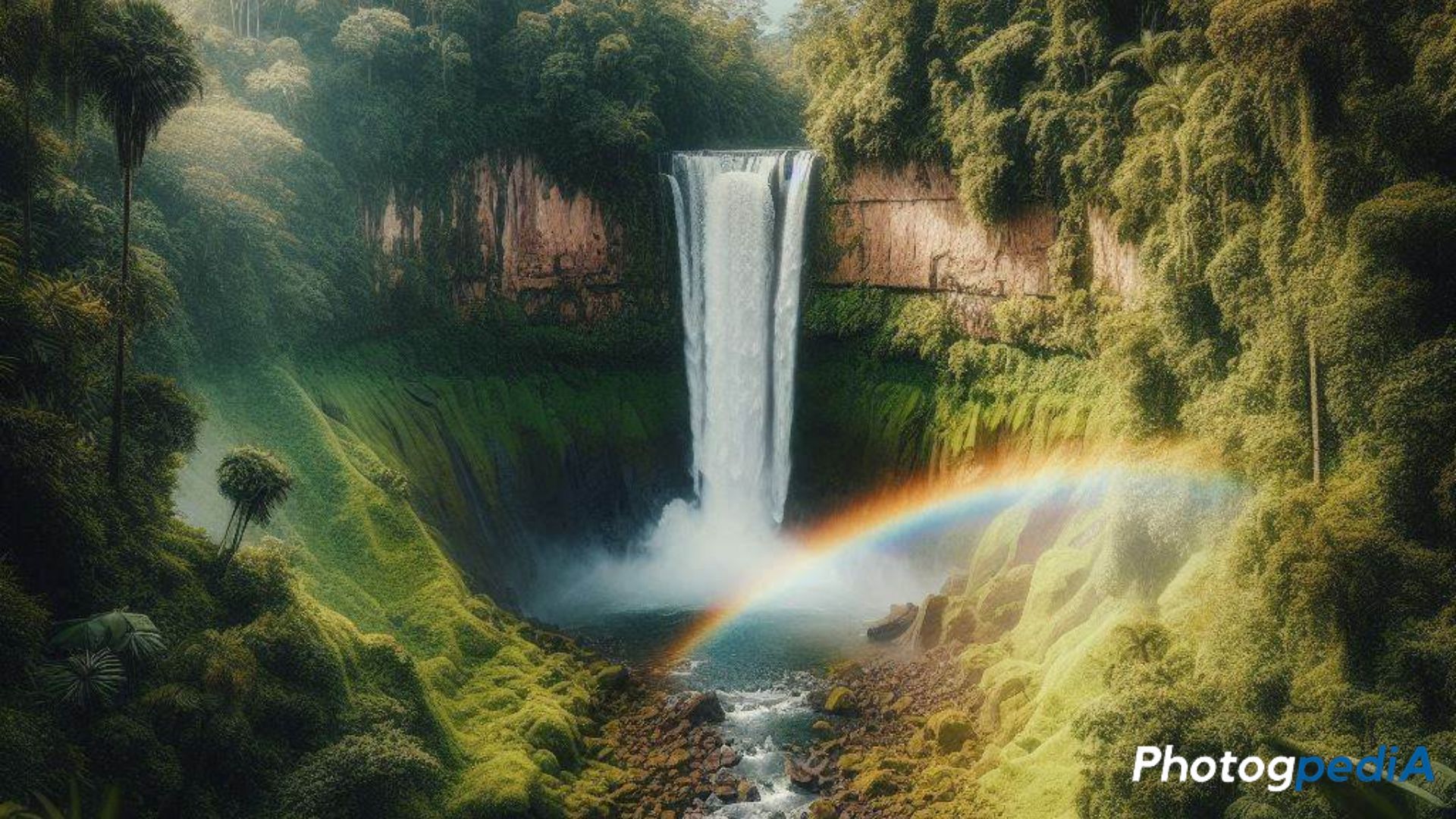
As a hobbyist photographer for the past four years, I’ve learned that photography is far more than just pressing a shutter button. It’s about capturing a fleeting moment and transforming it into a visual narrative. A DSLR camera, with its advanced features and versatility, is an incredible tool to elevate your shots from ordinary snapshots to extraordinary works of art. Here are some photography tips with DSLR cameras to help you achieve stunning photos.
Table of Contents
Why Learn DSLR Techniques?
If you’re embarking on your DSLR photography journey, mastering the fundamentals is key. By understanding the core techniques and continually honing your skills, you’ll elevate your photography to new heights. Moreover, the more you practice, the more confident you’ll become behind the lens. Let’s delve into some essential tips to help you maximize your DSLR’s potential.
Understanding Your DSLR
Familiarizing Yourself with Camera Settings
To truly harness the power of your DSLR, it’s essential to familiarize yourself with the fundamental camera settings. These three pillars—aperture, shutter speed, and ISO—work in tandem to control the exposure of your images.
- Aperture: This setting determines the size of the lens opening, influencing the amount of light that reaches the sensor. A wider aperture (lower f-number) allows more light in, resulting in a shallow depth of field—a blurred background that isolates your subject. Conversely, a narrower aperture (higher f-number) produces a greater depth of field, keeping both the foreground and background in focus.
- Shutter Speed: This setting controls the duration of time the camera’s sensor is exposed to light. A fast shutter speed freezes motion, making it ideal for capturing action shots. A slower shutter speed, on the other hand, can create a sense of motion blur, particularly effective for capturing flowing water or moving objects.
- ISO: This setting adjusts the camera’s sensitivity to light. A lower ISO setting produces less noise but requires more light. A higher ISO setting is useful in low-light conditions, but it can introduce digital noise, which can degrade image quality.
Knowing Your Camera’s Capabilities
To truly master your DSLR, it’s crucial to familiarize yourself with its specific capabilities. Therefore, take the time to explore your camera’s user manual. Pay close attention to its resolution, lens compatibility, and the differences between manual and automatic modes.
Additionally, starting with automatic settings can be a great way to gain confidence and learn the basics. As you become more comfortable, gradually transition to manual mode to have full control over your camera’s settings. This will allow you to capture stunning images that reflect your unique vision.
Essential Gear for DSLR Photography
Choosing the Right Lens
Choosing the right lens is crucial in achieving your desired photographic vision. Different lenses cater to specific needs. For instance, a prime lens, such as a 50mm, excels in portrait photography due to its ability to create a shallow depth of field. On the other hand, a wide-angle lens is perfect for capturing expansive landscapes and architectural subjects. To ensure versatility, consider investing in a versatile lens kit that covers a range of focal lengths.
Tripods and Stabilizers
To ensure sharp and stable images, especially in low-light conditions or when using slow shutter speeds, a tripod is an indispensable tool. By minimizing camera shake, tripods allow you to capture crisp details and vibrant colors.
Moreover, stabilizers are invaluable for achieving smooth and professional-looking video footage. Whether you’re capturing a time-lapse or recording a vlogging session, a stabilizer can significantly enhance the quality of your videos.
External Lighting Tools
When natural light falls short, external lighting tools can be a photographer’s secret weapon. Consequently, investing in external flashes and reflectors can significantly elevate your photography. By strategically manipulating light, you can create dramatic effects, fill shadows, and highlight your subject’s features.
Additionally, understanding how to effectively use these tools will empower you to capture stunning images in any lighting condition.
Tips for Mastering DSLR Techniques for Photography
Rule of Thirds for Better Composition
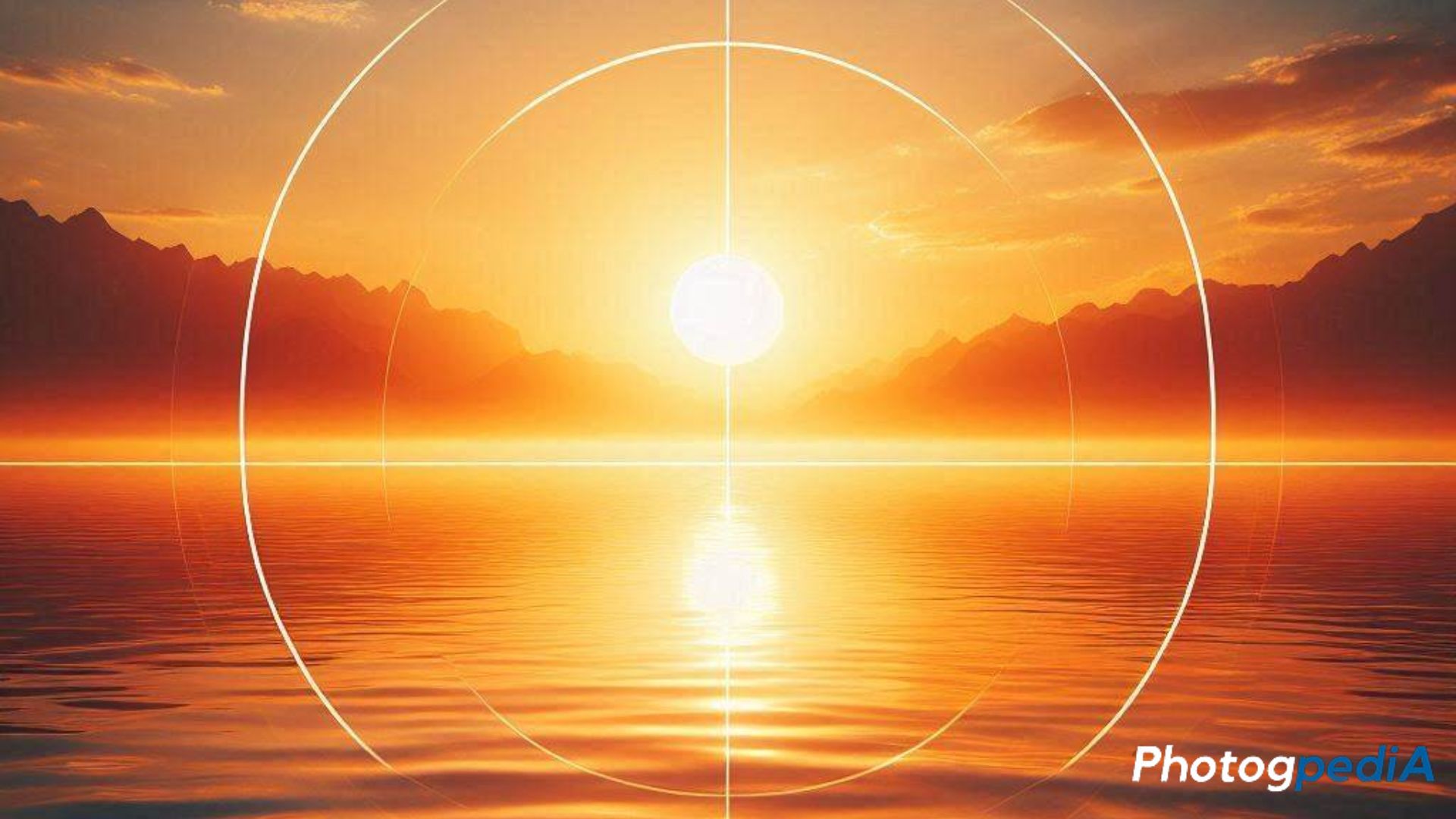
A well-composed image can captivate the viewer and leave a lasting impression. One fundamental composition technique is the rule of thirds. By dividing your frame into nine equal parts using two horizontal and two vertical lines, you can create more visually interesting compositions. Position your subject along these lines or at their intersections to draw the viewer’s eye and add depth to your image.
Playing with Depth of Field
Depth of field, the area in your image that appears sharp, is a powerful tool to manipulate the focus and draw the viewer’s attention. A wide aperture (low f-number) results in a shallow depth of field, isolating your subject and blurring the background. This technique is ideal for portrait photography, where you want to emphasize the subject’s features. Conversely, a narrow aperture (high f-number) yields a greater depth of field, keeping both the foreground and background sharp. This is particularly useful for landscape photography, where you want to capture the entire scene in focus.
Achieving Perfect Exposure
Achieving perfect exposure is a fundamental aspect of photography. To achieve this, you must master the delicate balance between aperture, shutter speed, and ISO. By understanding how these three elements interact, you can control the amount of light that reaches your camera’s sensor.
Additionally, your DSLR’s built-in light meter can be a valuable tool in determining the correct exposure. By learning to interpret the meter’s readings, you can make informed decisions about adjusting your camera’s settings.
Furthermore, experimentation is key. By practicing and fine-tuning your exposure techniques, you’ll develop a keen eye for light and be able to capture stunning images in various lighting conditions.
Capturing Motion Effectively
Capturing motion effectively is a skill that can elevate your photography. Whether you want to freeze action or create a sense of movement, understanding shutter speed is key.
To freeze action, such as capturing a speeding car or a bird in flight, use a fast shutter speed of 1/1000 of a second or higher. This will stop the motion and result in a sharp, detailed image.
Conversely, to create motion blur, use a slow shutter speed. This technique is ideal for capturing flowing water, moving clouds, or traffic lights. By allowing the sensor to be exposed to light for a longer duration, you can create a sense of movement and dynamism in your image.
Experiment with different shutter speeds to discover the perfect balance between freezing action and creating motion blur.
Tips with DSLR Cameras for Specific Photography Styles
Portrait Photography Tips
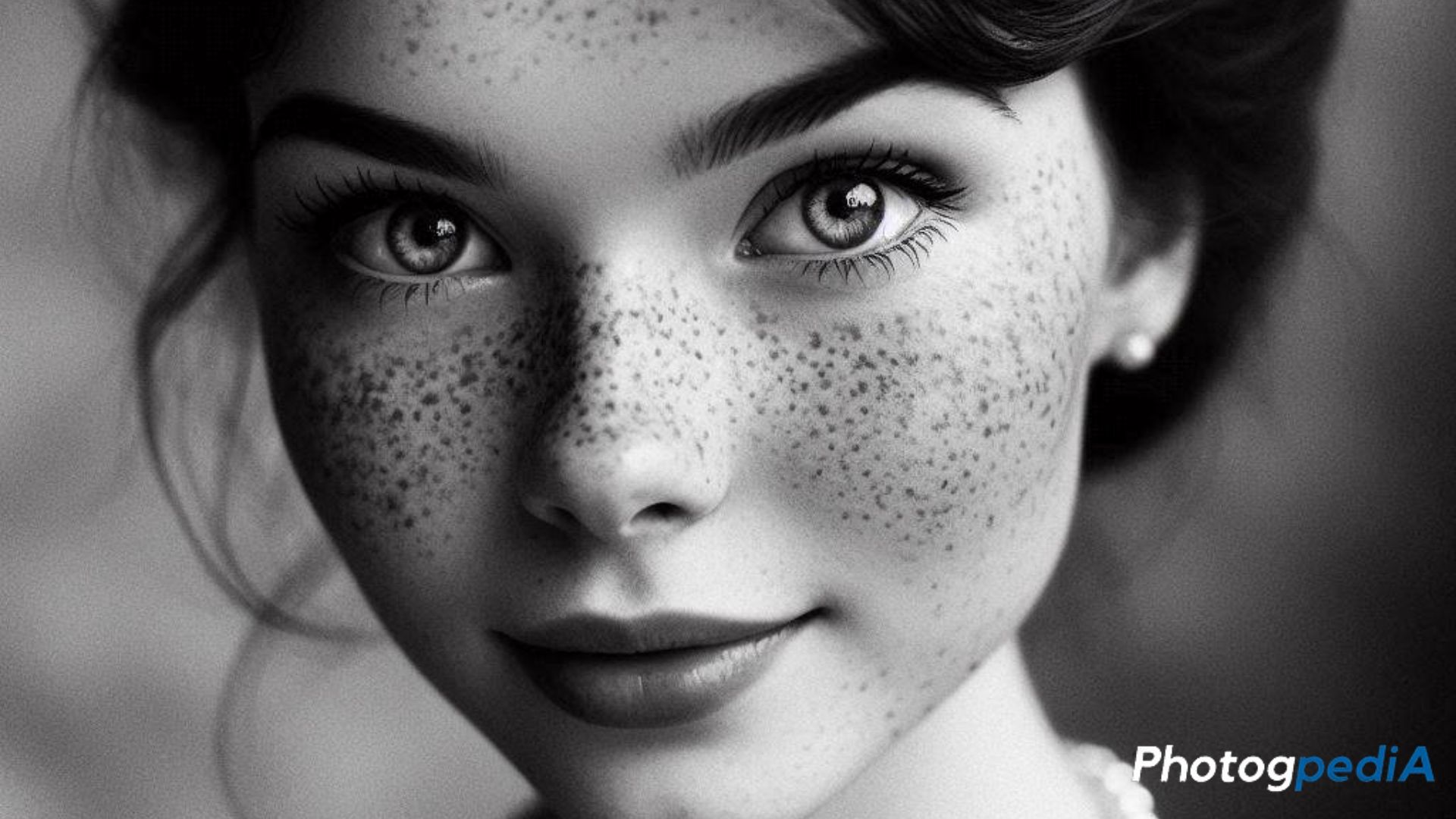
Portrait photography is a captivating genre that allows you to capture the essence of a person. To create compelling portraits, focus on these key tips:
- The Eyes, the Window to the Soul: The eyes are the most expressive feature of a human face. Therefore, it’s crucial to focus on them to bring your subject’s personality to life. By focusing on the eyes, you can create a connection with the viewer and evoke emotions.
- Mastering the Art of Bokeh: A prime lens, with its fixed focal length, is an excellent choice for portrait photography. Furthermore, its ability to create a shallow depth of field results in a creamy background blur, known as bokeh. This technique helps to isolate your subject and draw attention to their features.
Landscape Photography Advice
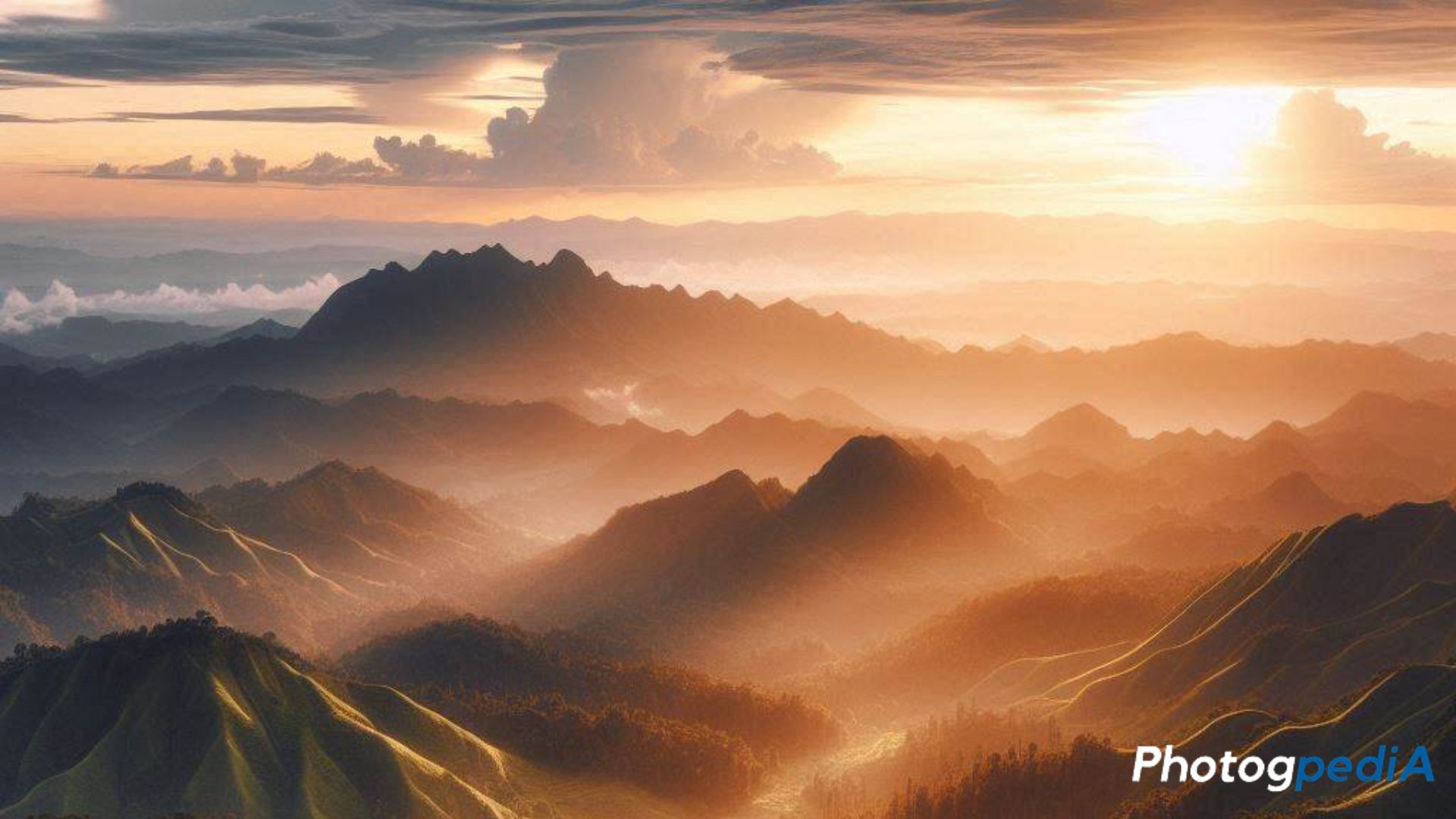
Landscape photography is a rewarding genre that allows you to capture the breathtaking beauty of nature. To create stunning landscape images, consider the following tips:
- The Power of Wide-Angle Lenses: A wide-angle lens is an essential tool for landscape photography. It allows you to capture expansive scenes, emphasizing the grandeur of the landscape. By using a wide-angle lens, you can create a sense of depth and scale, drawing the viewer into the image.
- The Magic Hour: The golden hours, the time shortly after sunrise and before sunset, offer the most captivating natural light. During this time, the sunlight is warm and soft, casting long shadows and creating a magical atmosphere.
Action and Sports Photography
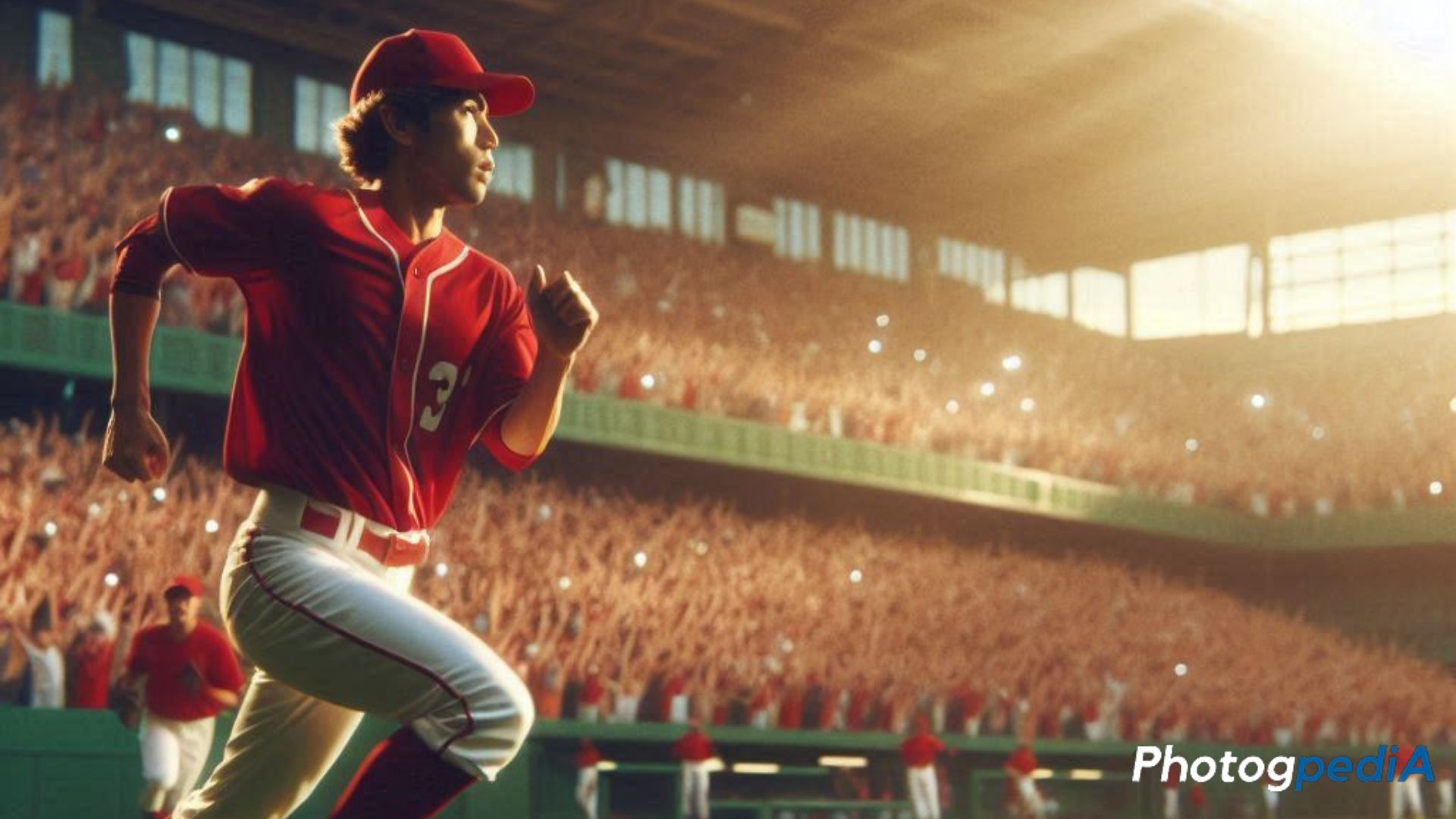
Action and sports photography is a dynamic and exciting genre that requires quick reflexes and technical skill. To capture the thrill of the moment, consider these essential tips:
- Burst Mode for Decisive Moments: To ensure you don’t miss a single moment of the action, set your camera to burst mode. This mode allows you to capture multiple frames per second, increasing your chances of capturing the perfect shot.
- Continuous Focus for Dynamic Subjects: When photographing moving subjects, continuous focus is crucial. By enabling this mode, your camera will continuously track your subject, ensuring that they remain sharp even as they move.
Additionally, using a high shutter speed will help you freeze the action, capturing every detail of the moment. By mastering these techniques, you can create dynamic and captivating images that convey the energy and excitement of sports and action.
Low-Light Photography

Low-light photography presents unique challenges, but with the right techniques, you can capture stunning images even in dimly lit environments.
- The Importance of Stability: To avoid camera shake and achieve sharp images in low-light conditions, a tripod is essential. By using a tripod, you can significantly reduce blur, especially when using slow shutter speeds.
- Harnessing the Power of High ISO: To compensate for low light, you’ll need to increase your camera’s ISO setting. However, be aware that higher ISO settings can introduce noise into your images. Therefore, it’s important to find the right balance between sensitivity and image quality.
Post-Processing DSLR Images
After understanding photography tips with DSLR cameras, it’s time to take your hand on creating a unique style. This is where post-processing and editing comes in.
Editing Software to Enhance Images
Post-processing is a crucial step in the photography workflow. By using editing software, you can enhance your images, correct imperfections, and add creative effects.
Popular Options for Image Editing:
- Adobe Lightroom: A powerful and user-friendly software that allows you to adjust exposure, color, and contrast.
- Adobe Photoshop: A comprehensive image editing tool that offers advanced features for retouching, compositing, and creative manipulation.
- GIMP: A free and open-source alternative to Photoshop, offering many similar features.
Common Mistakes and How to Avoid Them
Even the most experienced photographers make mistakes. By recognizing common pitfalls and implementing effective strategies, you can significantly improve your photography skills.
- Overreliance on Auto Mode: While auto mode can be convenient, it limits your creative control. By challenging yourself to use manual mode, you’ll gain a deeper understanding of your camera’s settings and be able to achieve more artistic results.
- Neglecting the Importance of Light: Light is the fundamental element of photography. Pay close attention to the quality and direction of light. Avoid harsh, direct sunlight, as it can create harsh shadows and washed-out colors. Instead, opt for soft, diffused light, such as during the golden hour or on overcast days.
- Ignoring Compositional Principles: Composition is the art of arranging elements within a frame. By understanding basic composition rules, such as the rule of thirds and leading lines, you can create more visually appealing images.
Advancing Your Skills
- Practice Makes Perfect: Firstly, the more you shoot, the better you’ll become. Experiment with different settings, subjects while using these photography tips with DSLR cameras to expand your creative horizons.
- Connect with the Photography Community: Join online forums, photography clubs, or social media groups to share your work, learn from others, and receive constructive feedback.
- Invest in Your Education: Online platforms like Coursera, Udemy, and YouTube offer a wealth of photography courses. By taking advantage of these resources, you can learn from renowned photographers and gain valuable insights into various aspects of photography.
Conclusion
Mastering these photography tips with DSLR cameras is a journey filled with creativity, experimentation, and learning. Whether you’re capturing candid moments or planning intricate shoots, these tips will help you unlock the full potential of your DSLR. Keep practicing, and soon enough, you’ll be creating visual stories that leave a lasting impact.
About the Author
Hi, I’m Mark – an amateur photographer that first started in 2020. I particularly capture action figures in miniature settings and dioramas. You can follow more of my work at the following social media channels:
- Instagram – iselandmarkventures
- Facebook – iselandmarkventures
- YouTube – The Iselandmarkventures
